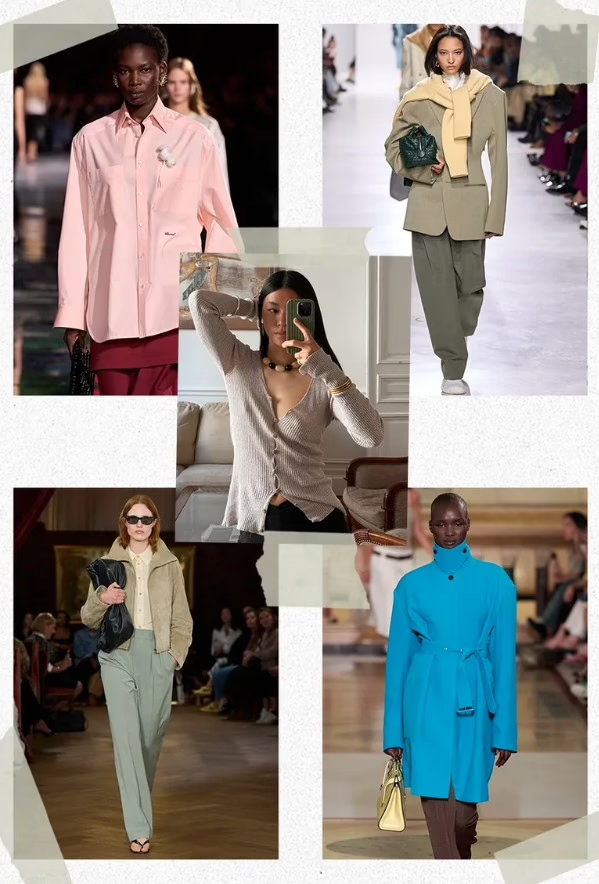
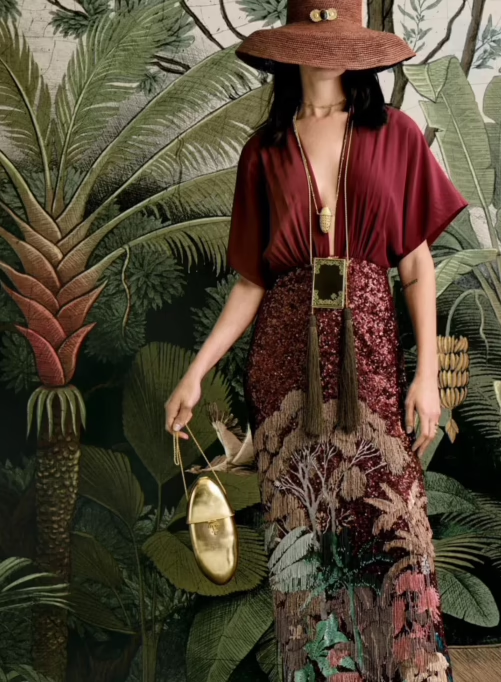
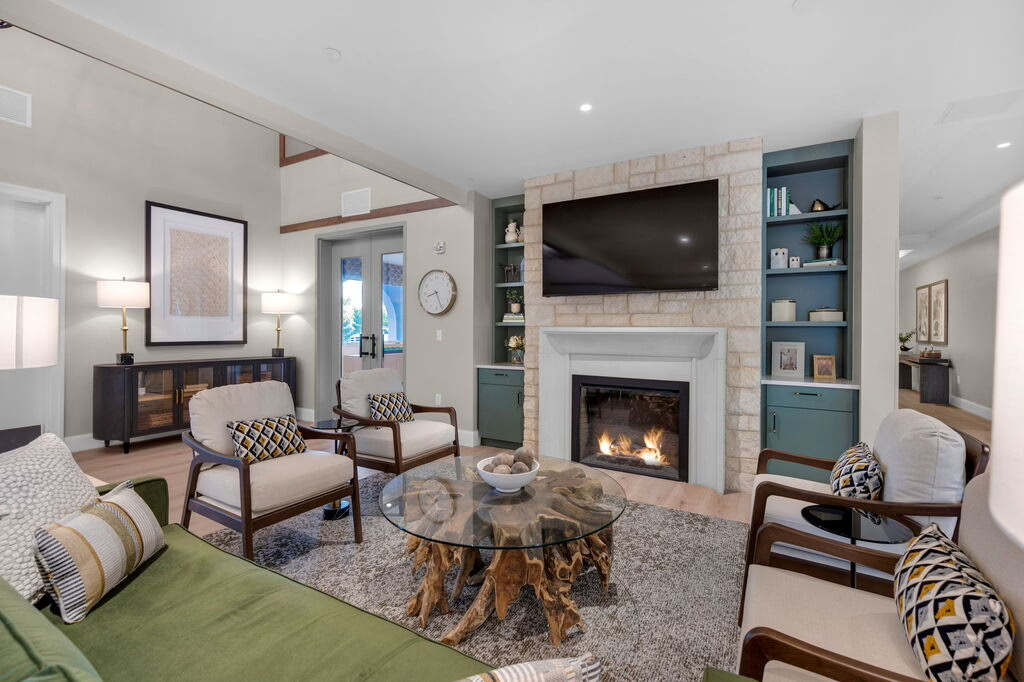
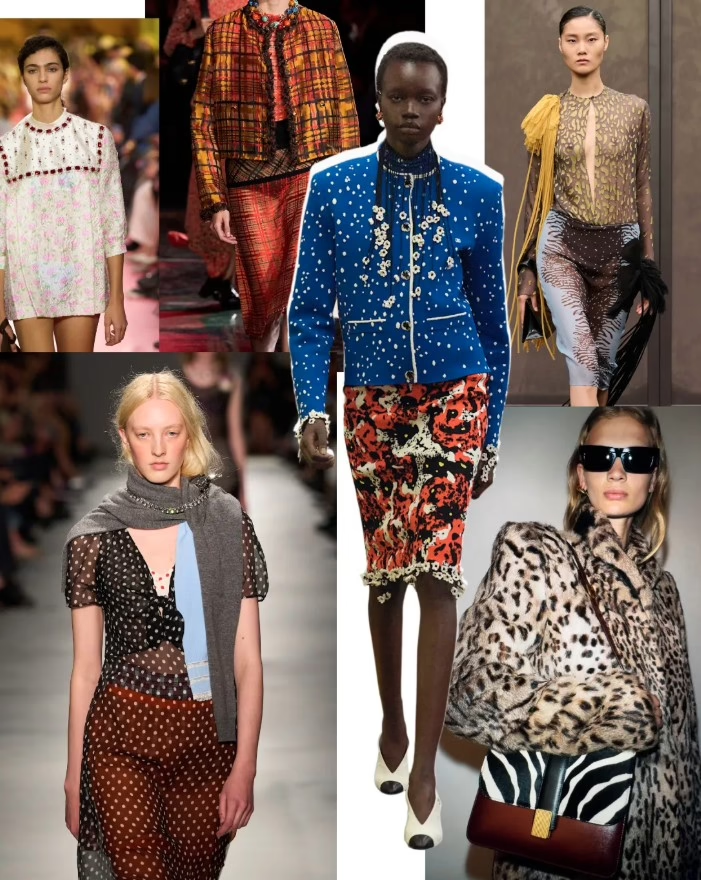
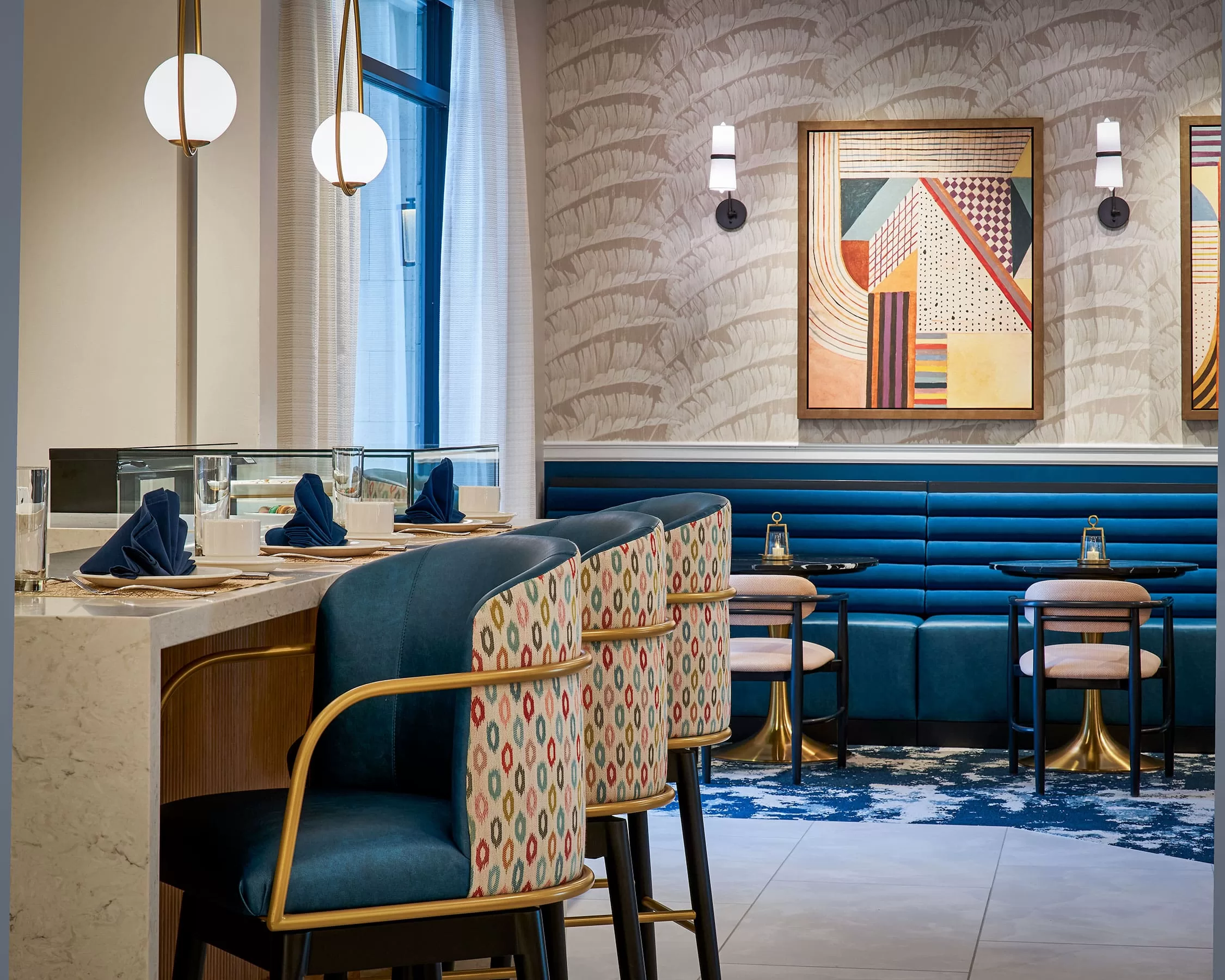
With New York, Milan, and Paris Fashion Weeks just wrapped, we’re once again looking to the runway for inspiration. Fashion often serves as an early indicator of where design is headed, and interior design typically follows these signals by about 12–24 months. The runway introduces emerging ideas in color, texture, and pattern that eventually influence the fabrics, furnishings, and finishes we see in interior environments.
Fashion and interior design have always shared a creative dialogue. Both disciplines explore color, texture, pattern, and storytelling to shape how we experience the world around us. While the mediums may differ, the design principles are similar. Each season’s collections reveal new ways of combining materials, layering elements, and expressing personality—ideas that can translate beautifully into interior spaces, including Senior Living communities.
While the scale of a room is very different from that of a garment, the goal is the same: creating environments that feel expressive, layered, and inspiring. Fashion allows individuals to express their identity through what they wear, while interior design shapes the spaces where people live, gather, and create memories. Both rely on the same fundamental design elements—color, texture, pattern, and form—to evoke emotion and create meaningful experiences.
When thoughtfully applied, these elements can transform a space. The right balance of color, pattern, and material can make an environment feel extraordinary while still offering comfort, confidence, and a sense of belonging.
Here are a few runway trends we’re particularly excited to see influencing interiors in the years ahead.
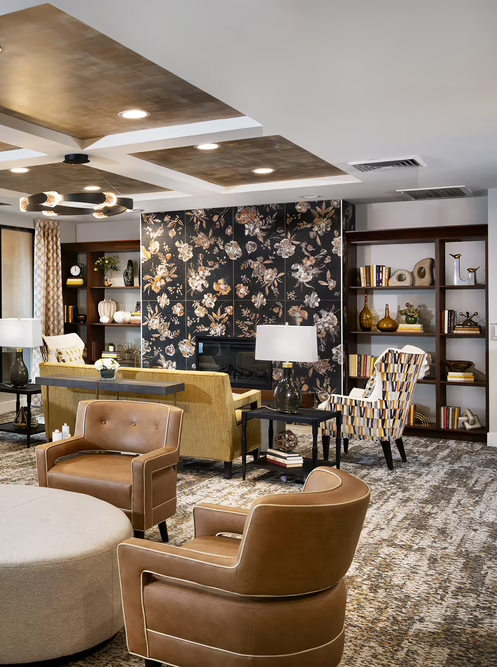
Florals continued to make a bold statement across the runway this season, appearing in oversized prints, embroidered details, and dimensional appliqué. These expressive botanical motifs bring energy and movement to fashion collections while maintaining a sense of softness and romance.
In interiors, florals have long been a timeless design element, but today’s interpretation feels larger in scale and more artistic. Oversized botanical wallcoverings, expressive floral textiles, and nature-inspired artwork can add vibrancy and familiarity to a space. In environments such as Senior Living communities, these elements can create a sense of warmth and connection to nature while introducing visual interest and personality.
This season’s collections embraced bold, saturated color palettes—rich emerald greens, deep ocean blues, warm terracotta tones, and vibrant corals. These colors bring energy and optimism to the runway and signal a shift away from overly neutral environments.
In interior design, confident color can create memorable moments within a space. Strategic use of bold hues in upholstery, accent walls, artwork, or architectural details can energize common areas and help define different zones within a community. When balanced with warm neutrals and natural materials, these colors create interiors that feel both lively and welcoming.
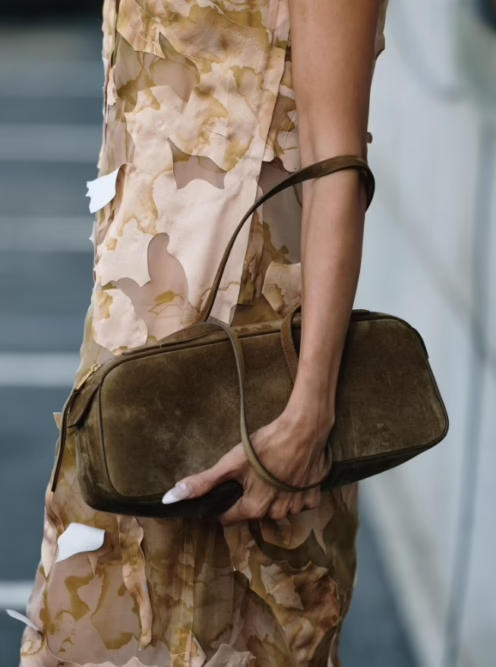
Texture played a major role on the runway, with designers combining fabrics, finishes, and embellishments to create depth and richness. From structured tailoring to soft textiles and intricate details, the layering of materials added dimension and visual complexity to many collections.
Interiors benefit from this same approach. Combining a variety of materials—such as textured upholstery, warm wood tones, woven textiles, stone surfaces, and soft wall treatments—creates spaces that feel inviting and thoughtfully composed. Layered textures help bring warmth and comfort to interiors, making environments feel more residential, sophisticated, and livable.
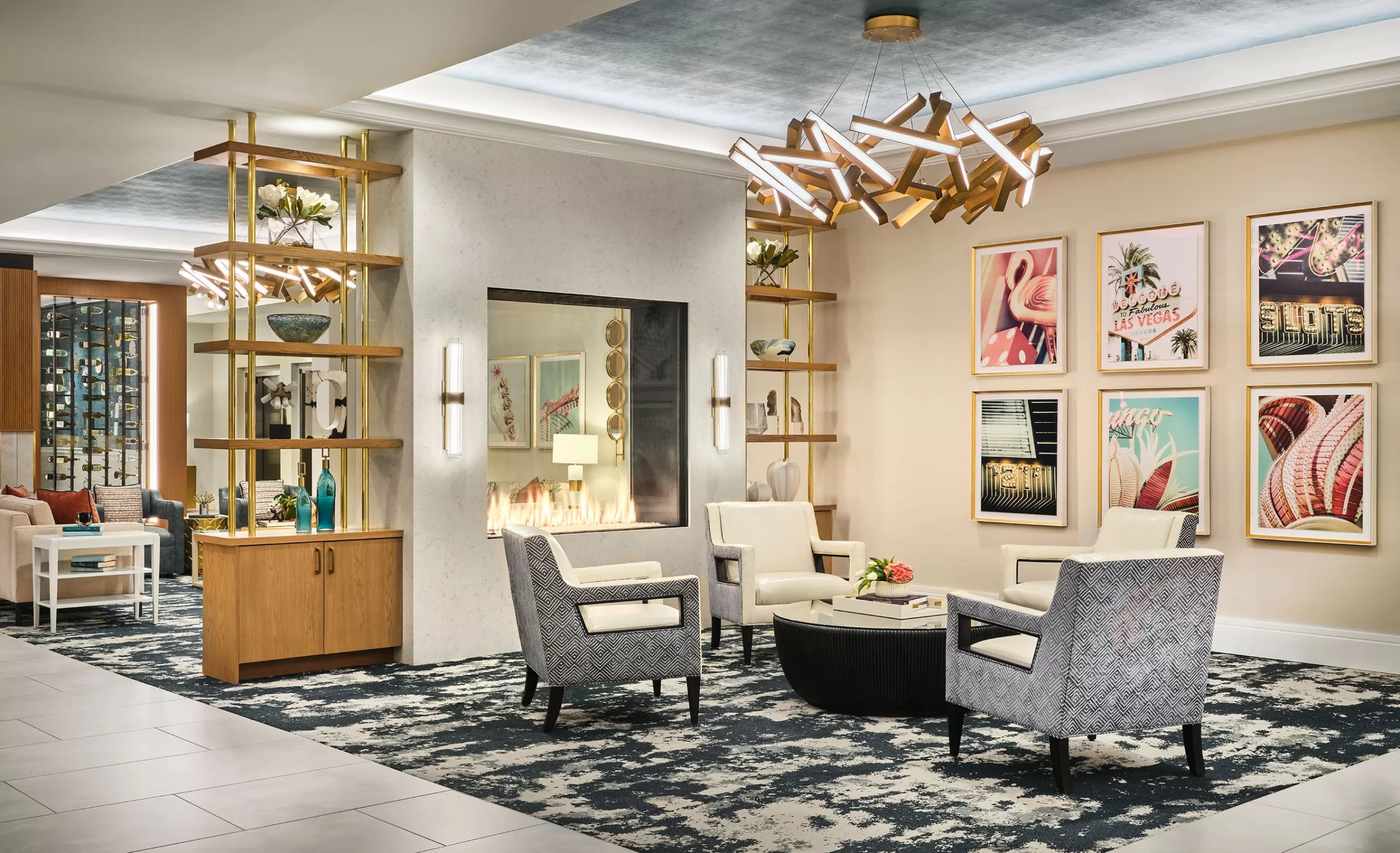
Another trend seen throughout the runway was fearless pattern mixing. Designers layered stripes with florals, geometrics with organic motifs, and subtle patterns with bold graphics to create dynamic visual compositions.
In interiors, thoughtful pattern layering can achieve a similar effect. When carefully balanced, mixing patterns adds personality and visual interest without overwhelming a space. The key lies in varying scale and color while maintaining a cohesive palette—allowing patterns to complement rather than compete with one another.
In Closing, Design inspiration often comes from unexpected places, and fashion continues to be one of the most influential creative industries shaping the future of interior design. The ideas we see on the runway today—whether through color, pattern, or materiality—frequently evolve into the fabrics, furnishings, and finishes that define interiors in the years ahead.
By looking beyond our own industry and drawing inspiration from the broader design world, we can create spaces that feel fresh, expressive, and thoughtfully curated. At Aneka Interiors, we believe that great design is about more than following trends—it’s about interpreting inspiration in ways that create environments where people feel inspired, comfortable, and truly at home.