14 March Five Different Types of Senior Living

Posted at 4:18 PM

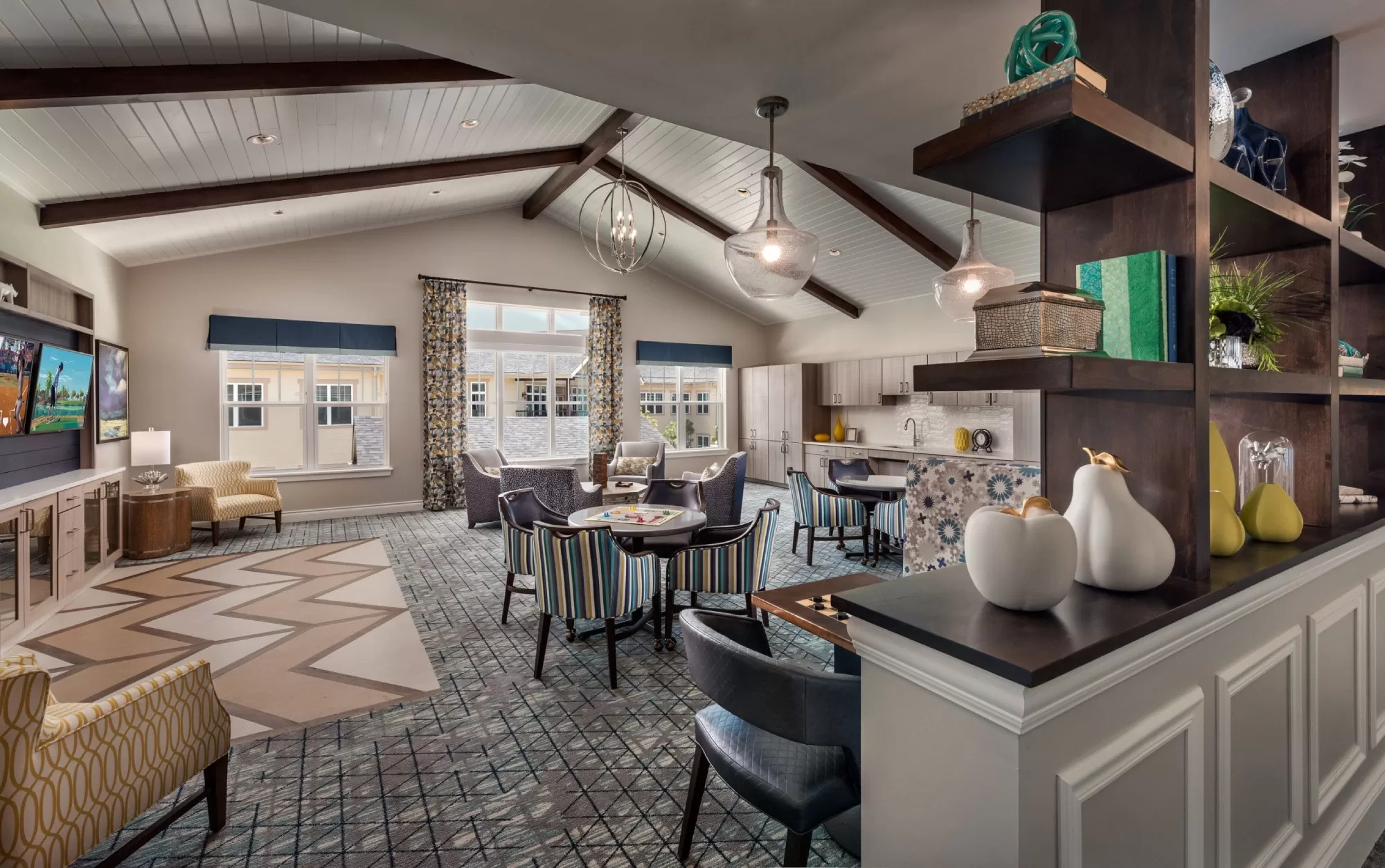
Spacious, modern lounge with exposed beams, large windows, cozy seating, and patterned carpet exemplifies the inviting common areas found in Five Different Types of Senior Housing, featuring open kitchens, dining areas, and decorative shelving with vases and books.
According to Forbes magazine, “as of 2018, 52 million people in the United States were aged 65 and older. By 2034, this population is expected to, for the first time in American history, outnumber the 18-and-under population.” With this jump in our senior population, it means there will be a higher demand for appropriate senior housing. While people involved in the senior housing industry know the wide range of housing styles, below we’d like to dive into five different types of  housing available for this growing population.

1. Active Adult

These types of communities generally offer relatively maintenance-free independent living residences to those age 55 and over. Most active adult communities are comprised of multiple housing types, ranging from single-family houses to apartments. The main factor that differentiates an active adult community is that these homes or apartments don’t have a commercial kitchen component, or any type of continuing care.
More on the benefits of living in an Active Adult community found here.
A bocce ball court with several colored bocce balls scattered across the sandy surface; plants and trees line the sides and a wooden fence is visible in the background, ideal for residents of Five Different Types of Senior Housing.
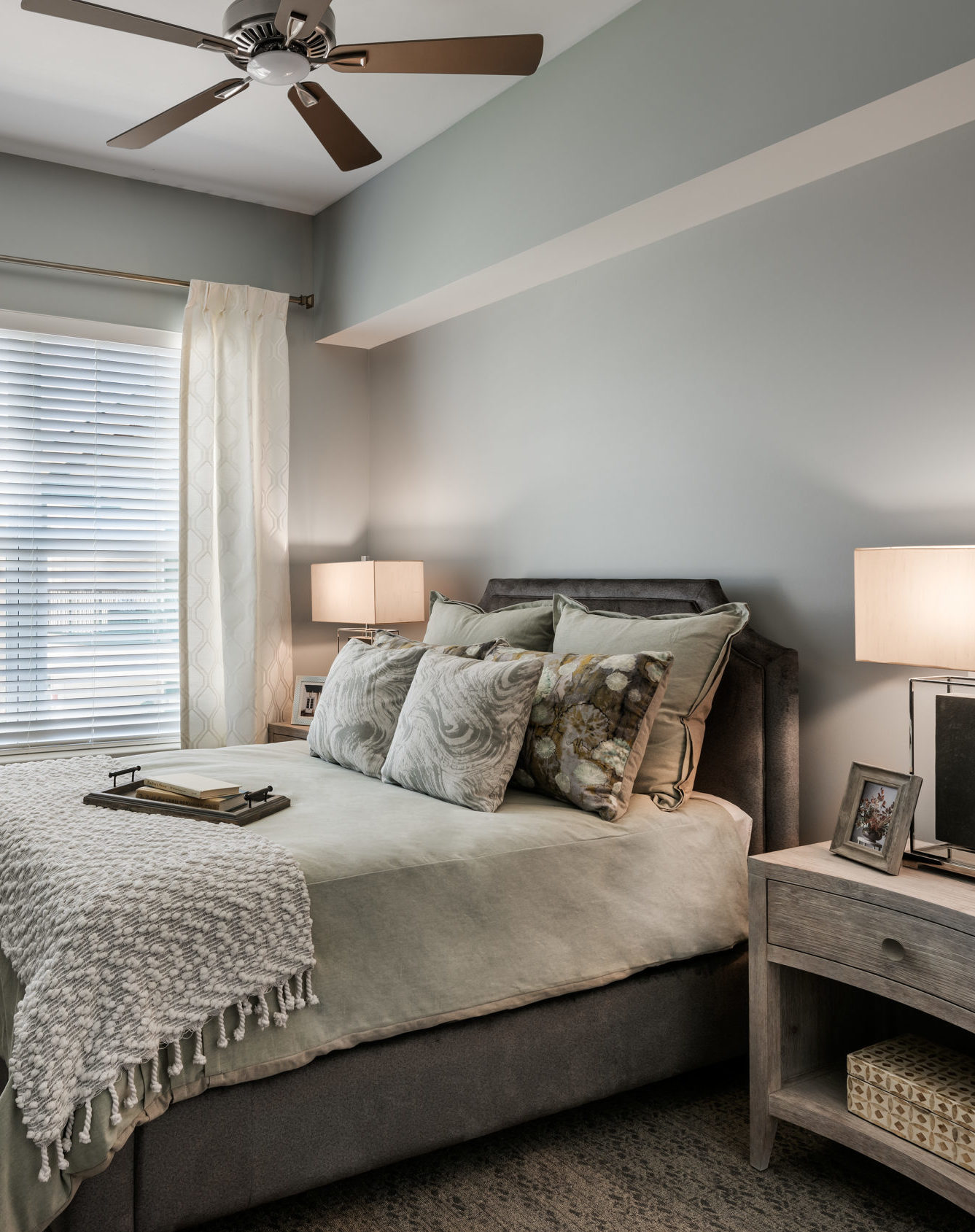
A modern bedroom with a neatly made bed, decorative pillows, a textured blanket, two bedside tables with lamps—perfect inspiration when exploring Five Different Types of Senior Housing that prioritize comfort and style.

2. Independent Living

The independent living category includes all rental senior housing or senior apartments that have a commercial kitchen component. This type of community is generally suited best for residents that are still self-sufficient, and live in private apartments or homes, but are “looking to enjoy the companionship of other’s their age”.
More on the benefits of living in an Independent Living community found here.

3. Assisted Living

Assisted Living is the fastest growing long-term care option in the United States. This type of senior living concept started about 25 years ago, and can be a stand-alone building or part of a larger community or campus. This category of living is perfect for seniors that need some assistances with daily tasks; such as medication management, meals, and housekeeping, but don’t need the skill of a full time nursing home. Often these communities are comprised of private apartments, often with kitchenettes, paired with public living amenities that service the rest of the community or building. This type of living usually hosts a multitude of programs, for exercise, entertainment, social and transportation that keep residents engaged.
More on the benefits of living in an Independent Living community found here.
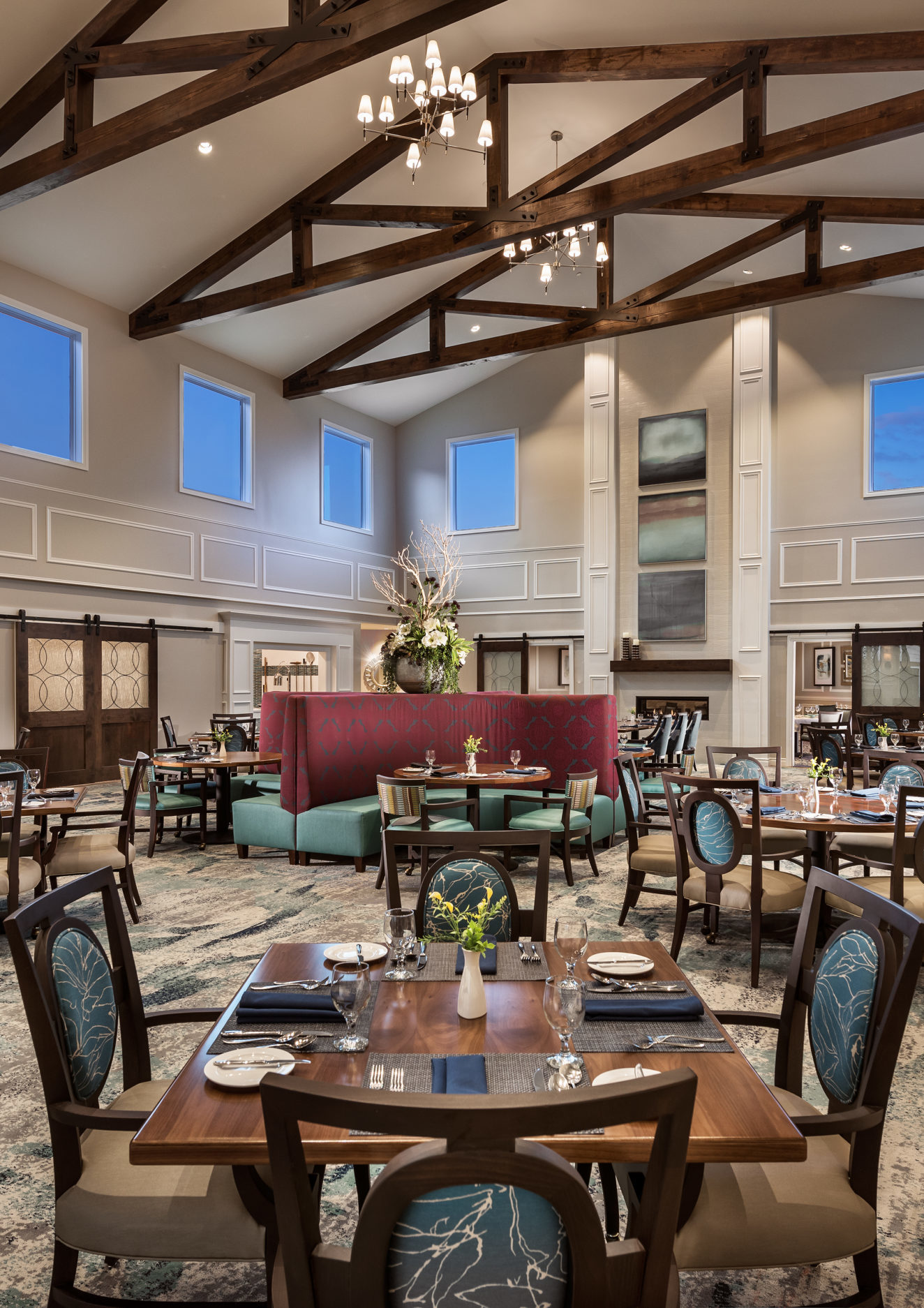
Spacious, elegant dining room with wooden tables and chairs, high beamed ceiling, large windows, and chandeliers—ideal for gatherings in communities offering Five Different Types of Senior Housing. A central flower arrangement graces the stone fireplace.
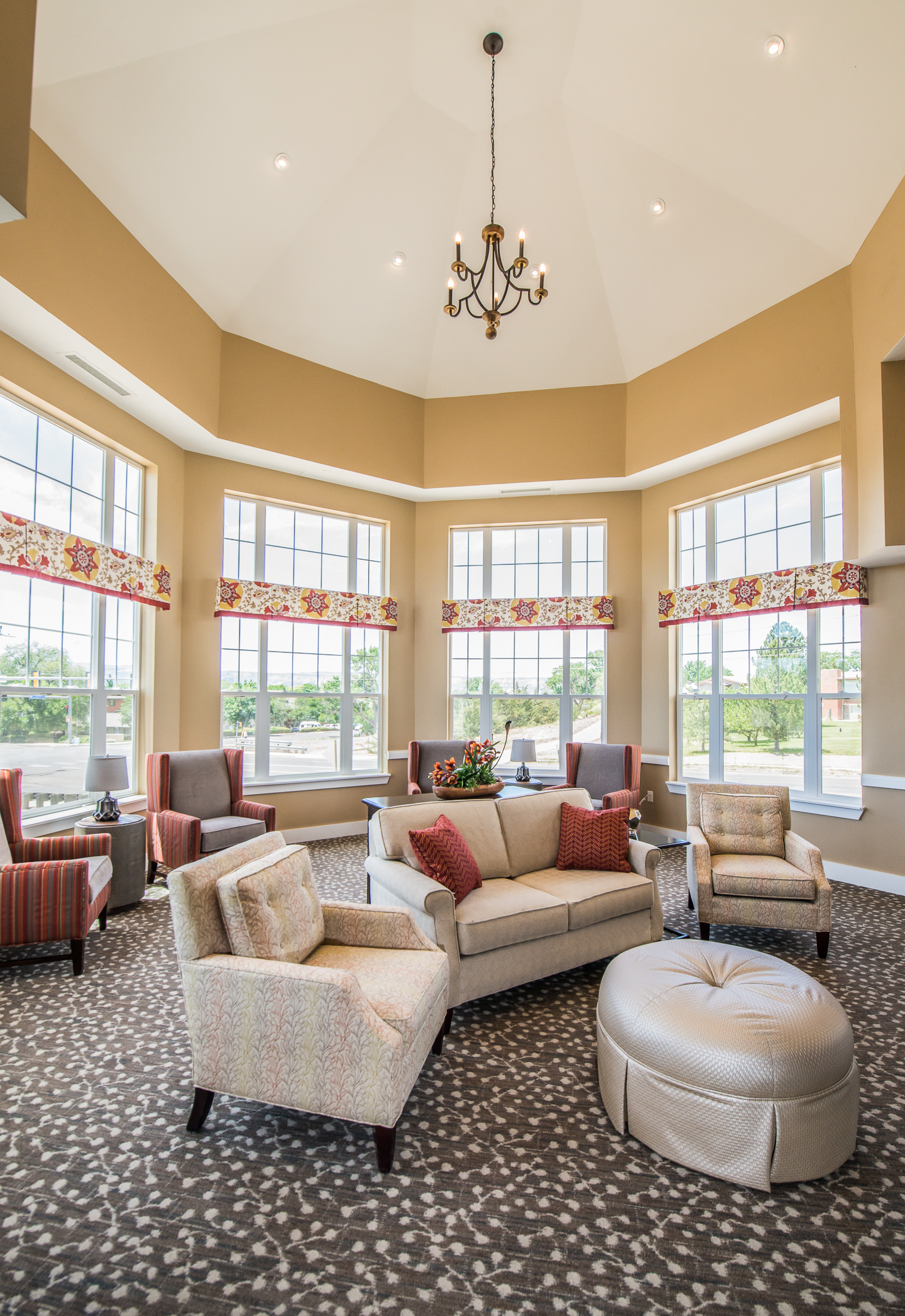
A bright, spacious living room with large windows and elegant touches showcases the inviting lifestyle found in Five Different Types of Senior Housing, featuring beige walls, a patterned carpet, cushioned chairs, and a chandelier under high ceilings.

4. Memory Care Living

Memory care living is often a secured area of an assisted living community, but can be a stand-alone concept. This type of senior housing is best for residents that need specialized Alzheimer’s or dementia care. Because of the specialized care needed for individuals within memory loss, the staff receive additional training to ensure the safety of residents, and provide 24 hour supervised care.
More on the benefits of living in a Memory Care community found here.

5. Skilled Nursing

The last prominent type of senior living is Skilled Nursing. This type of housing is for seniors “who require 24-hour monitoring and medical assistance.” Typically residents in this type of community suffer from sever, debilitating physical or mental conditions that require daily skilled nursing. The staff help residents with bathing, eating, dressing, cooking, maintenance, housekeeping and medication.
More on the benefits of living in a Skilled Nursing community found here.
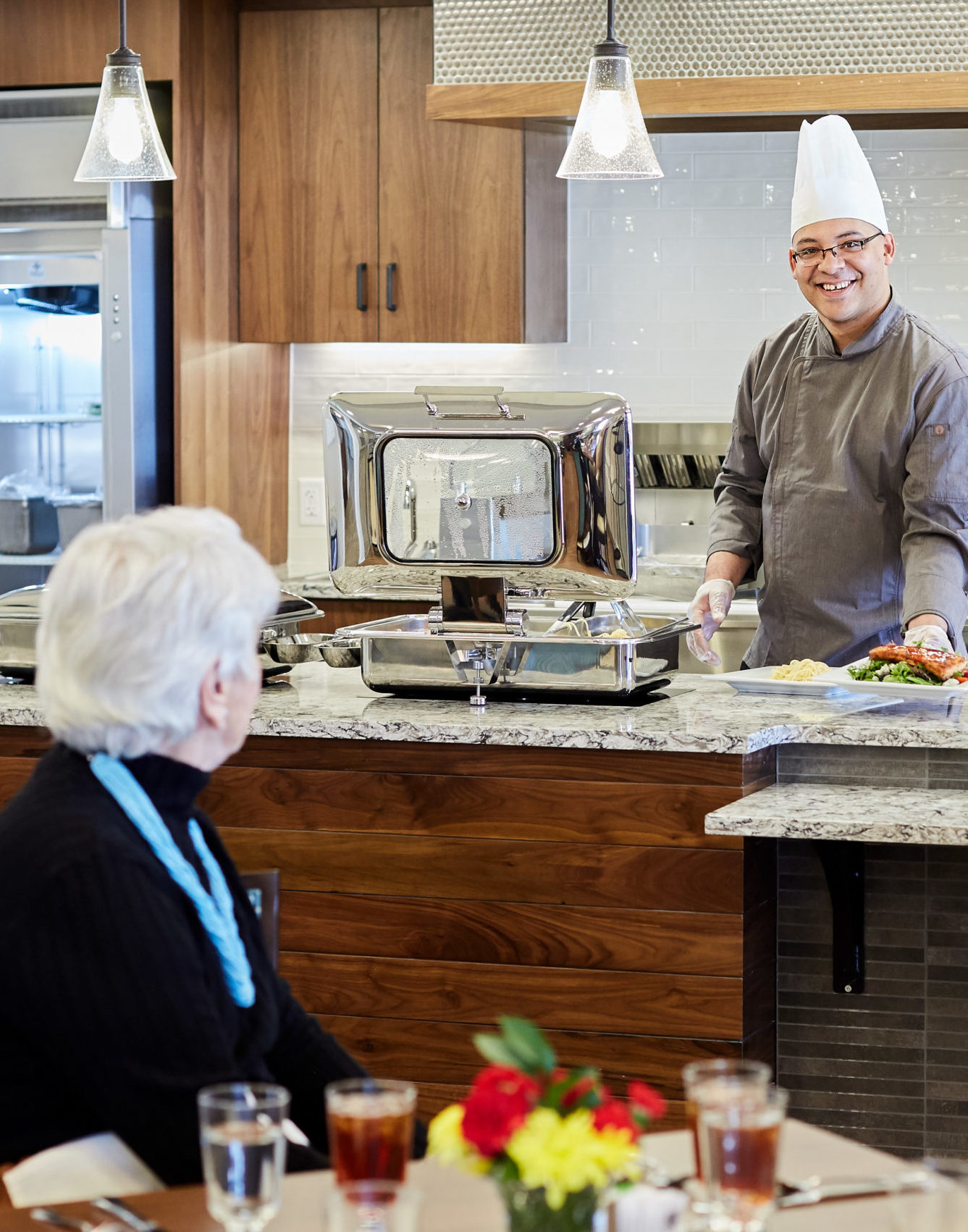
A chef in a white hat and gray uniform smiles while serving food at a buffet counter, as an elderly woman enjoys the moment—highlighting the vibrant dining options in Five Different Types of Senior Housing.
While there are several other design elements and features that are sure to be implemented within the coming years, as a design community, we’re excited to see the new ways in which we can keep growing and supporting seniors.
If you want to learn more about our interior design services contact the team at Aneka Interiors, Inc!