If you have spent any time working on senior living projects, you have probably heard the term FF&E and assumed everyone in the room meant the same thing. In our experience, they rarely do. FF&E stands for furniture, fixtures, and equipment. What it actually covers and how it gets managed has more impact on opening day and ownership’s budget than most project teams expect going in.
We have been doing this work since 1999, across more than 50 senior living communities. One of the things we hear most from new clients is some version of “our last project had procurement surprises we didn’t see coming.” This post explains what FF&E design actually involves, and what to look for in a partner who manages it well.
FF&E covers every movable, non-structural element in a space, including furniture and case goods, soft goods, window treatments, artwork, accessories, and decorative light.
FF&E is not a shopping list. It is a design discipline, and the quality of the specification determines whether procurement stays on track or creates gaps that ownership ends up absorbing later. Signage sometimes falls under the package depending on the project, but it’s the exception.
FF&E is also completely separate from the base building work. The general contractor hands the building over to ownership, and then our team comes in to install. We coordinate our procurement calendar around the construction timeline so that selections, orders, and deliveries are ready when the building is. That planning is where most of the budget protection happens, well before installation day.
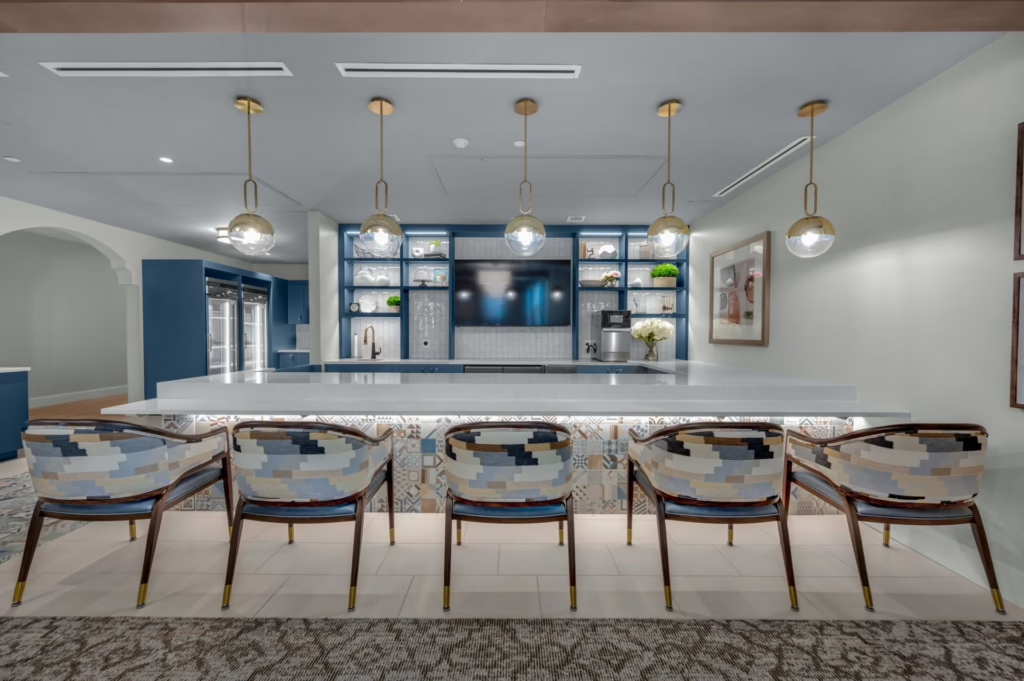
A senior living community can look identical to a hospitality project on the surface while requiring completely different performance specifications underneath.
This is one of the first things we walk through with clients who come to us from hospitality or multifamily backgrounds. The aesthetics can look the same, and the selections can still be entirely wrong if the performance requirements haven’t been met. A fabric can pass the visual test and still fail the project if it can’t hold up to daily cleaning, transfer, and repeated use.
In practice, senior living specifications address things that never come up in a hospitality brief:
Getting the spec right is what makes beautiful design actually work for the people living in it. The communities we’re most proud of feel like home, not like a care setting. For a closer look at how these factors shape furniture selection, our post on senior living design and furniture goes deeper on the key considerations.
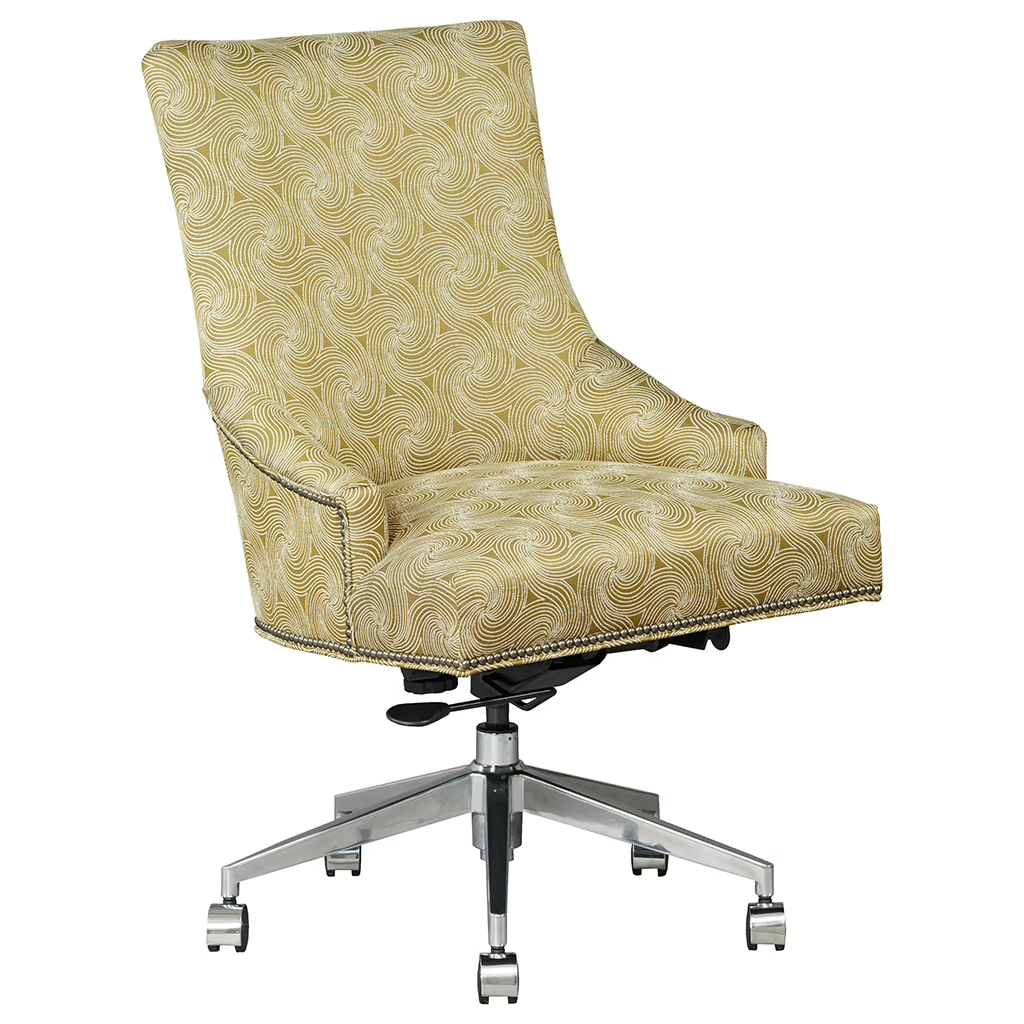
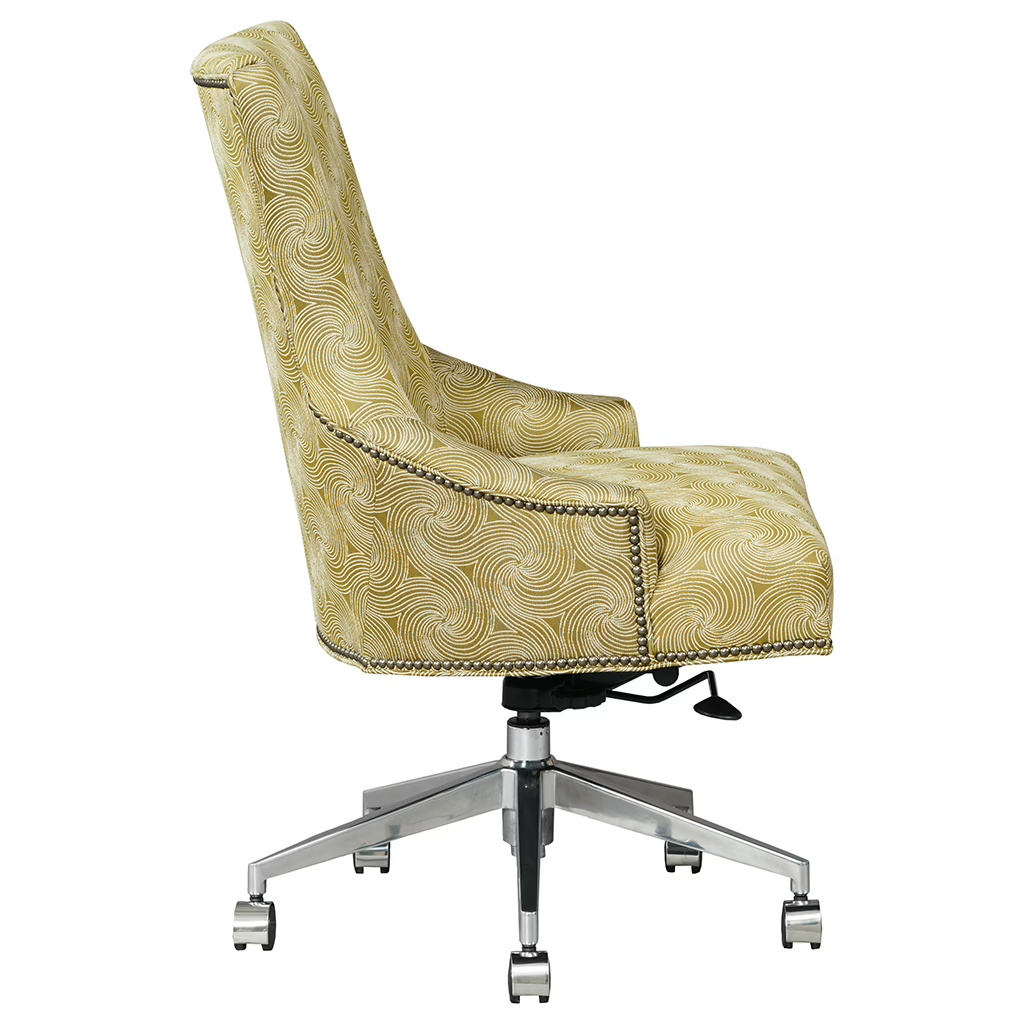
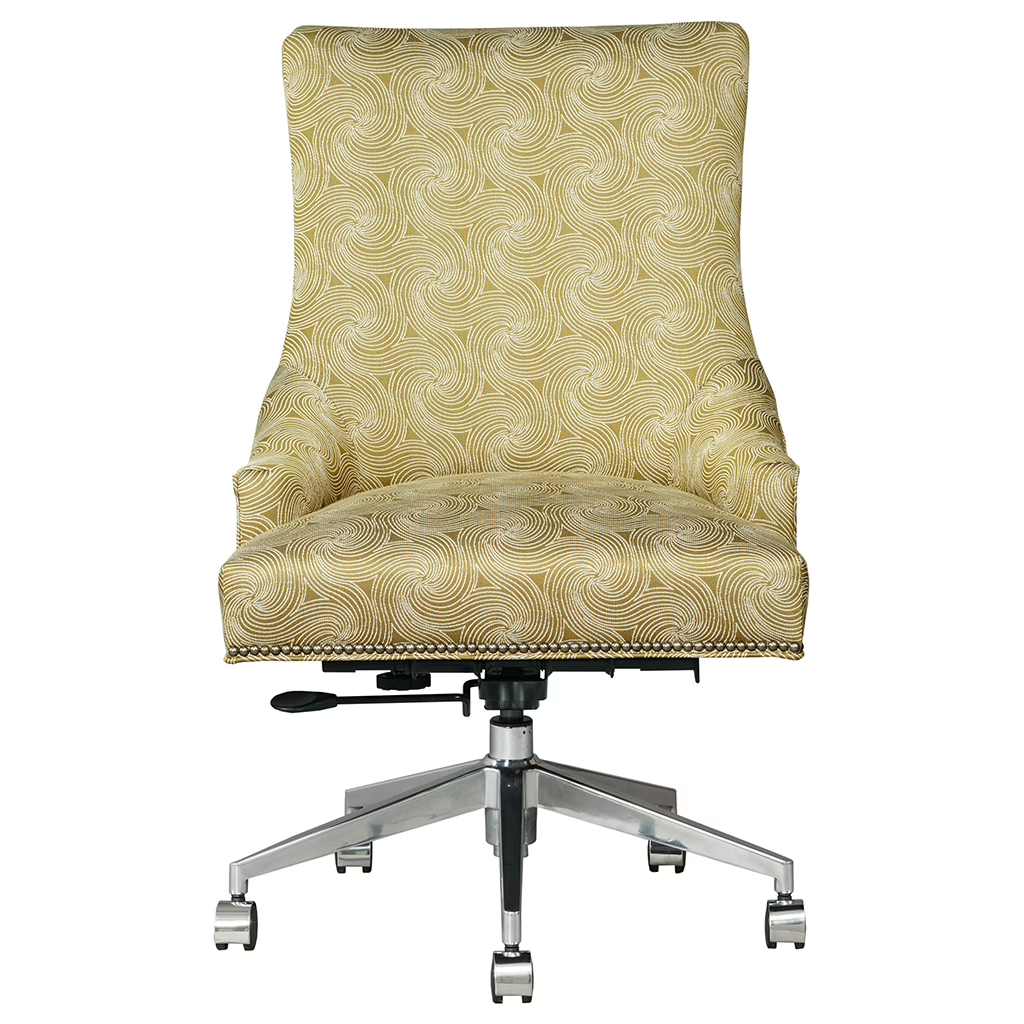
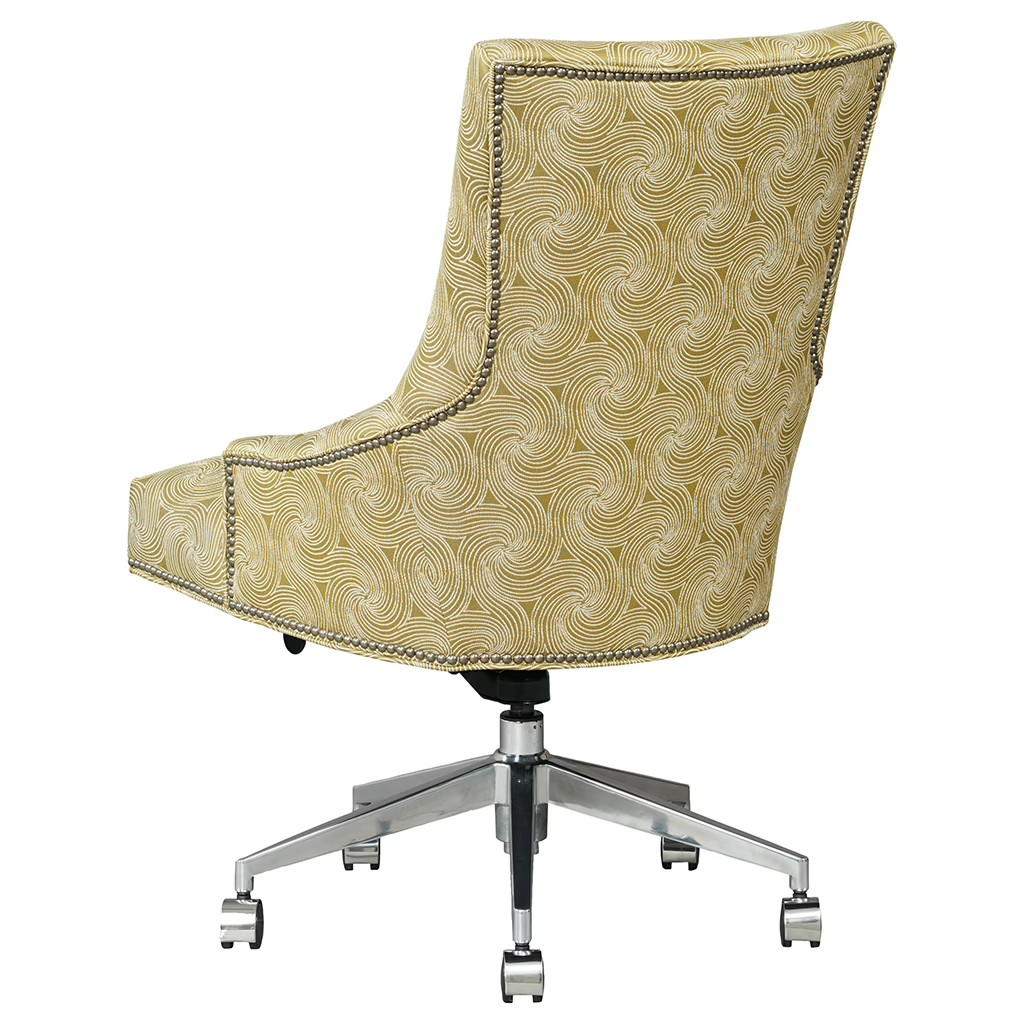
Image courtesy of Fairfield, Ashton Leather Swivel Task Chair.
Communities that feel connected to the place they’re built in perform differently on tours and in resident satisfaction than designs applied from a national template.
There is a version of senior living design that looks the same everywhere. Developers and operators who have reviewed enough projects recognize it immediately. The palette doesn’t reflect the region. The materials don’t connect to the local environment. The community could be anywhere.
Regional design doesn’t mean decorating with clichés. It means choosing colors, textures, and artwork that feel familiar to the people who will actually live there. In Colorado Springs, that might mean warmer stone tones, mountain-influenced palettes, and artwork that reflects the landscape residents have spent their lives in. In Las Vegas, it means leaning into the warmth and light of the Southwest rather than defaulting to something neutral.
Our work at Myron Stratton Home in Colorado Springs drew directly from the history and character of the area. Residents encounter a space that reflects where they’ve lived, not a generic rollout. MorningStar at the Canyons in Las Vegas took the same approach and exceeded its original lease-up goals at opening. Design that belongs somewhere delivers outcomes that generic design simply doesn’t.
For operators managing aging assets, a targeted FF&E refresh is the most capital-efficient way to improve how a community shows and protect occupancy against newer competition.
The oldest baby boomers turned 80 in 2025. Demand for senior living is strong, and residents and families are comparing their options carefully. How a community looks and feels on a tour matters as much as the care model.
Updated case goods, refreshed soft goods, new decorative lighting, regionally relevant artwork, and thoughtfully designed amenity spaces can change how a tour goes without touching the structure. Our post on designing outdoor amenities for senior living communities explores how outdoor programming and interior design work together to improve engagement and showability.
A well-executed FF&E refresh can protect occupancy and improve rate at a fraction of the cost of new construction. A community that shows better moves in faster. Design that holds up well reduces the frequency and cost of future refreshes. A procurement package built carefully from the start doesn’t generate surprises at opening.
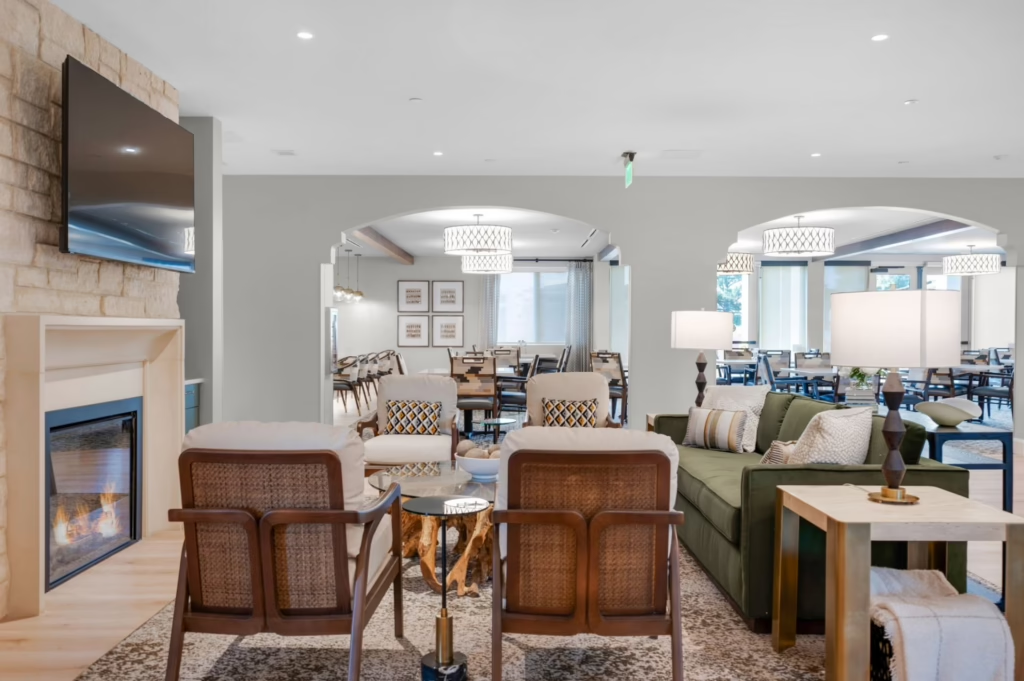
The most important qualities in an FF&E partner are principal continuity, hands-on involvement through installation, and enough regional knowledge to make selections that actually perform in context.
After 26 years, we have a clear picture of what causes projects to go sideways. It is rarely about design quality. It is almost always about what happens after the selections are finalized.
Order tracking, shipping coordination, freight claims, warehousing, and installation management all happen in the final weeks of a project, when the schedule has the least flexibility and a wrong decision is most expensive. The firms that create the most procurement risk are the ones whose involvement ends when the specification is submitted. They are not around when it matters most.
We have our own in-house procurement team that manages the entire process through installation. The specification and procurement process are built together, not handed off separately. What ownership receives from us is built to be used, and the same principal who led the design is there on installation day. Clients consistently tell us the accuracy and detail of our work is something they haven’t seen from other firms. You can see what that looks like across project types in our project portfolio.
The architecture firms that refer work to us and the operators who come back project after project return because the relationship is easy and the outcomes are consistent. A partner who already knows your procurement process, your vendor relationships, and your brand standards is a genuinely different experience than starting over.
Aneka Interiors has been designing senior living communities since 1999, from first concept through final installation. Whether you're working on new construction or a community refresh, we're here to help you create spaces residents love and families trust.